
Table Of Contents
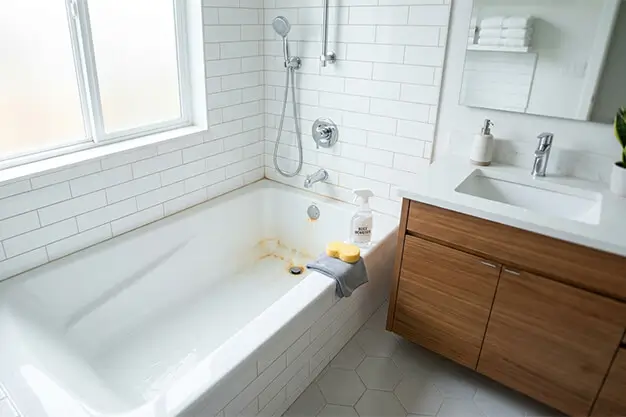
Finding stubborn bathtub rust stains can be a frustrating discovery during your weekly bathroom scrub. These unsightly orange or reddish-brown streaks usually appear around the drain, under the faucet, or in areas where metal items have come into contact with the tub.
They are a common bathroom problem because water is constantly present, and many plumbing systems and accessories contain iron. While they appear to be permanent damage, they are often surface deposits that respond to appropriate treatment.
Ignoring these bathtub rust stains is a mistake that can cause permanent surface damage. Over time, oxidation wears away the protective glaze on your tub. What starts as a cosmetic eyesore can later develop into a structural issue, particularly for cast-iron or steel tubs.
Rough rust patches also trap dirt and bacteria more easily than smooth surfaces. Taking action now can prevent the need for costly refinishing or a complete tub replacement later. Proper bathroom cleaning habits emphasize early intervention as the best way to keep your sanctuary looking pristine.
What Causes Bathtub Rust Stains and How Do They Appear?
Bathtub rust stains occur due to the oxidation of iron. These stains appear as stubborn, crusty, or oily-looking marks that regular soaps cannot remove. Unlike soap scum, which is a greyish-white film caused by body oils and minerals, or mold, which is a fungal growth, rust is a chemical byproduct of oxidation.
While hard water stains often appear as chalky white scales, rust stands out because of its distinctive vibrant color. It occurs when iron-rich water or metal objects, such as razors or pipes, come into contact with oxygen. The bathroom is prone to this reaction due to constant moisture and the presence of metal items in the space. Moisture acts as the catalyst, turning a simple metal razor or a tiny chip in the enamel into a source of spreading discoloration.
The Science Behind Rust Formation
Rust is the common name for iron oxide. This happens through a process called oxidation. When iron atoms meet water and oxygen, they undergo a chemical change. This reaction creates a new substance that is flaky and reddish. Even if your tub is made of plastic, the iron dissolved in your tap water can settle on the surface. Once it settles and contacts air, the iron oxidizes, leaving a persistent stain.
Why Bathrooms Are More Prone to Rust Stains
Bathrooms stay wet for long periods. High humidity means the air is saturated with water vapor even when the shower is off. Poor ventilation keeps this moisture trapped against surfaces. Without a fan or an open window, metal fixtures and leftover metal items stay damp. This constant exposure accelerates the breakdown of metal components, leading to frequent hard water rust stains in the tub.
Common Causes of Rust Stains in Bathtubs
Many homeowners are surprised by how quickly these marks appear. Several hidden factors within your plumbing or daily habits contribute to this problem.
High Iron Content in Water
If your home uses well water or old city pipes, you likely have high iron levels. This water might look clear when it comes out of the faucet. Once it sits in the basin and reacts with the air, the iron precipitates out of the water.
You might notice a metallic smell or see orange residue in the toilet tank. If your water source is the primary culprit, using a tub rust remover is often necessary. Periodic water testing can confirm whether you need a filtration system to address the issue at its source.
Metal Objects Left in the Bathtub
Shaving cream cans, razors, and metal hairspray bottles are the most frequent offenders. These items often have thin metal rims on the bottom. When left on a wet tub ledge, the water gets trapped underneath. Within hours, a perfect orange ring forms. This is one of the easiest causes to prevent, yet it remains a leading reason people need to remove rust stains from the tub.
Surface Damage and Worn-Out Coatings
Older bathtubs typically have a protective enamel or porcelain coating over a metal base. Over the years of use, this coating thins. Scratches from abrasive sponges or dropped heavy objects create tiny openings.
Once the water reaches the raw metal underneath the coating, the tub begins to rust from the inside out. This creates deep-set bathtub rust stains that are very difficult to fix without professional help.
Harsh or Incorrect Cleaning Products
Using the wrong chemicals can actually cause more harm than good. Abrasive powders and stiff brushes scratch the surface. Bleach is a common choice, but it can set a rust stain or further oxidize the iron, making the color darker. Once harsh acids or scouring pads strip away the protective finish, the tub becomes highly susceptible to future stains.
Bathtub Materials and Their Rust Vulnerability
Not all tubs react to iron and water in the same way. Understanding your tub's material helps you choose the best rust remover for bathtubs without causing permanent damage.
Enamel & Cast Iron Bathtubs
Cast iron tubs are incredibly heavy and durable, but they are essentially a large piece of iron coated with a glass-like enamel. If that enamel chips, the iron is exposed to water. To remove rust stains from an enamel tub, you must be gentle. If you scrub too hard, you expand the chip, leading to more rust. These tubs require pH-balanced cleaners to maintain the glaze.
Steel Bathtubs
Steel tubs are lighter and less expensive than cast-iron tubs. They also feature a porcelain coating. However, steel is thinner and can flex. This flexing sometimes causes the coating to crack or craze. Once the protective coating is broken, steel begins to rust quickly. You will see localized spots that look like they are bubbling up from beneath the surface.
Acrylic & Fiberglass Bathtubs
These materials do not contain iron, so they cannot technically rust. However, iron-rich water can still cause staining. However, they are porous. When iron-rich water sits on acrylic, the orange pigment sinks into the pores. These are often the easiest surfaces to clean when caught early, but improper cleaning agents can damage them.
How to Remove Rust Stains from Bathtub (Step-by-Step Methods)
Before you begin, always wear rubber gloves and make sure the bathroom fan is running. It is best to test any tub rust remover on a small, hidden spot first to ensure it doesn't dull the finish.
How to Remove Rust Stains from Bathtub Using Baking Soda & Vinegar
This classic duo is effective because the vinegar's acidity breaks down the iron oxide, while baking soda provides a mild, non-abrasive grit. It's a popular choice for those seeking a safe way to remove rust stains from their tub.
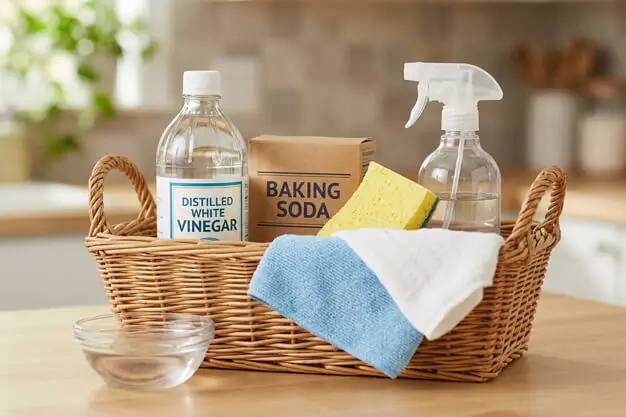
- What you’ll need: Distilled white vinegar, baking soda, a soft cloth, and a spray bottle (for easier application).
- Step-by-step application: Mix one part vinegar with two parts baking soda to create a thick paste. Apply the paste directly to the orange spots.
- How long to let it sit: Leave the mixture on the stain for at least 30 minutes. For deeper stains, let it sit for an hour.
- Rinsing and drying tips: Scrub gently with a soft sponge. Rinse with lukewarm water. Use a microfiber towel to dry the area thoroughly; leaving it wet can re-activate the rust.
How to Get Rust Stains Out of Bathtub with Lemon & Salt
For those looking for an eco-friendly solution, this method is excellent for light-to-moderate stains. The citric acid in the lemon acts as a natural bleaching agent for the iron.
- Sprinkle table salt directly over the damp rust stain. The salt acts as an absorbent and a gentle abrasive.
- Squeeze fresh lemon juice over the salt until a slurry forms.
- Let the mixture sit for 2 or 3 hours.
- Rub the mixture into the stain with the leftover lemon rind.
- Rinse thoroughly with lukewarm water and dry the area completely.
How to Get Rid of Rust in a Bathtub Using Commercial Cleaners
For heavy rust buildup, DIY methods may not always be enough. You should look for the best rust remover for bathtubs that contains oxalic acid. This ingredient reacts with the rust to make it water-soluble.
- Always read the label to ensure the product is safe for your specific tub material (primarily for acrylic).
- Apply the liquid or powder as directed, usually for only a few minutes.
- Never mix different commercial cleaners, as this can produce dangerous fumes.
- If the stain persists, you may need a professional deep-cleaning service to handle industrial-strength solutions safely.
How to Get Orange Rust Out of Bathtub Safely
When dealing specifically with "orange" stains caused by healthy water, consistency is key. These stains often cover the entire tub floor. Instead of one heavy scrubbing session, try repeated gentle treatments. Use a liquid tub rust remover and a soft brush. Focus on one section at a time. This prevents you from wearing down the enamel by trying to remove it all at once.
What NOT to Do When Removing Bathtub Rust Stains
To protect your bathroom fixtures, avoid these common mistakes:
- Do not use steel wool: It will leave tiny metal particles behind that will eventually turn into hundreds of new rust spots.
- Avoid straight bleach: While effective for mold, bleach can make rust permanent by further oxidizing the iron.
- Don't use wire brushes: they will instantly strip the glaze from enamel and steel tubs.
- Avoid heavy pressure: If a stain isn't moving, more pressure usually just damages the tub. Switch to a better chemical solution instead.
How to Prevent Bathtub Rust Stains from Coming Back
Prevention is much easier than scrubbing. By changing a few small habits, you can keep your tub sparkling without much effort.
Daily & Weekly Maintenance Tips
The most effective way to stop rust is to keep the surface dry. After your final shower of the day, wipe down the tub with a squeegee or a dry cloth. This removes the standing water that contains the iron minerals.
Immediately remove metal items. Instead of keeping shaving cream or razors on the tub ledge, use a plastic hanging caddy or a Lazy Susan cleaning organizer to keep metal off the tub surface. This simple change eliminates the source of most ring-shaped stains.
Use the Right Cleaning Products
Switch to non-abrasive, pH-balanced cleaners for your weekly house cleaning routine. Avoid products with harsh scouring agents. Opt for 'green' or eco-friendly cleaners containing citric or lactic acid.
These are effective at preventing mineral buildup without eating away at your tub’s protective coating. If you find the task overwhelming, you can always check the pricing for a recurring service to keep things maintained.
When to Call a Professional Cleaning Service
If you have tried the best rust remover for bathtubs and the stain persists, it may be time to seek expert help. Stubborn stains often require specialized tools or stronger chemical concentrations not available over the counter.
Consider professional bathtub cleaning services if you notice rust originating from a deep chip in the metal base, indicating a structural issue rather than just a surface stain. This is especially important if you've recently finished a home renovation and find construction dust has penetrated the finish, making it impossible to remove with standard methods.
Furthermore, if your tub surface feels rough, like sandpaper, it indicates the protective glaze has worn off and will require an expert touch to restore. For a complete refresh and a spotless environment, book now for a deep bathroom cleaning service package that covers the entire room.
FAQs - Bathtub Rust Stains
Why do rust stains keep coming back in my bathtub?
This usually happens because the iron levels in your water supply remain high or the protective enamel coating has worn thin. Continuous moisture exposure without proper drying allows new oxidation to occur daily on the vulnerable surface.
Can bleach remove rust stains from a bathtub?
No, you should avoid using bleach on rust because it is an oxidizing agent that can actually make the stain darker and harder to remove. It is better to use acidic cleaners such as vinegar, lemon juice, or specialized rust-removal products.
How to remove rust from the tub without damaging it?
The safest way is to use a non-abrasive paste made of baking soda and water or a mild citric acid solution. Avoid using metal scrubbers or harsh scouring powders, as they can cause scratches that allow future rust to settle more deeply.
Conclusion
Managing bathtub rust stains does not have to be an endless battle. By understanding that these stains come from a combination of moisture, oxygen, and iron, you can tackle the root cause.
Whether you use a homemade baking soda paste or a specialized tub rust remover, the key is to be gentle on your tub's finish. Consistent habits, like drying the basin after use and keeping metal cans on a shelf, will significantly reduce the need for heavy scrubbing.
Remember that your bathtub is an investment in your home's value and your personal comfort. Taking the time to remove rust stains from tub surfaces correctly preserves the material's integrity for years to come.
If you notice persistent orange marks, it may indicate a larger plumbing issue or the need for professional service. Stay proactive, use the right tools, and enjoy a cleaner, brighter bathroom every day.