
Table Of Contents
Fans that haven't been cleaned for a long time not only provide less airflow but also expose people to dust and pollen. Moreover, time constraints for adults with busy schedules are a challenge that can be tough to handle. So, to find a solution for such problems, you can seek a professional’s guidance to clean a fan.
The expert will guide you on the best way to clean a fan with proper instructions and the use of required materials. After that, you can rest in your room under a clean fan providing proper air.
To learn more tips to clean a fan, continue reading our blog.
Why Cleaning Your Fan Properly Matters
Regularly keeping a fan clean prevents dust buildup, supports general health and comfort, and enhances the appliance's proper performance. The accumulation of dust, pollen, and other airborne debris on the blades and grill of a fan causes it to throw debris around the room when it's turned on.
These airborne contaminants can trigger allergies, asthma, and respiratory irritation in some people with these conditions. Keeping your fan cleaned will also help lessen indoor dust and allergens, making the environment less unhealthy.
Also Read - Want to learn how to get rid of cobwebs? Check out our blog for instructions.
How Often Should You Clean a Fan?
The frequency of cleaning fans depends on factors such as where you live and how quickly dust accumulates. For example, if the fan is used daily-almost continually, in a bedroom or living area, it should be lightly cleaned every 2-3 weeks to alleviate the build-up of dust. In a house with pets, smokers, or open windows, dust and hair build up faster, requiring more frequent cleaning.
If there is an allergy-prone person or someone with asthma in the house, the importance of regularly cleaning the fans is significantly increased, since even small amounts of dust can worsen air quality. Seasonal changes also play a crucial role in this: most dust accumulates in warm months when fans run all day; cleaning stored fans before winter should be done before and after stowing them.
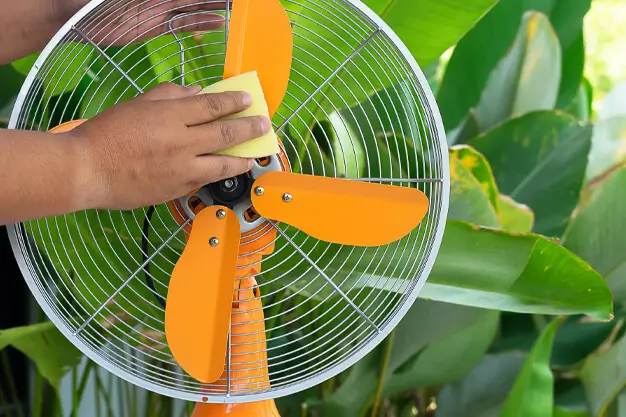
Seasonal Fan Cleaning Schedule
Before summer: Deep-clean fan blades, grills, and all areas to keep the fan in good working order during heavy use.
During peak use in summer: Very light cleaning every 2-4 weeks. Wipe blades and vacuum grills to keep accumulation under control.
End-of-season storage: Fully clean the fan with a vacuum dust brush before storage to prevent dust from hardening and moisture-related damage.
What You’ll Need to Clean a Fan Safely
Installing purifiers can cost a lot of money if you do not clean the fans. To clean a fan, all you need is a fan manual, household materials, and cleaning supplies. Before starting, make sure the fan is unplugged.
Do not use corrosive chemicals that can ruin plastic, metal, and internal components. Fabric- and appliance-safe products create a protective shield over the fan surface while effectively removing dirt and grease.
Tools & Equipment
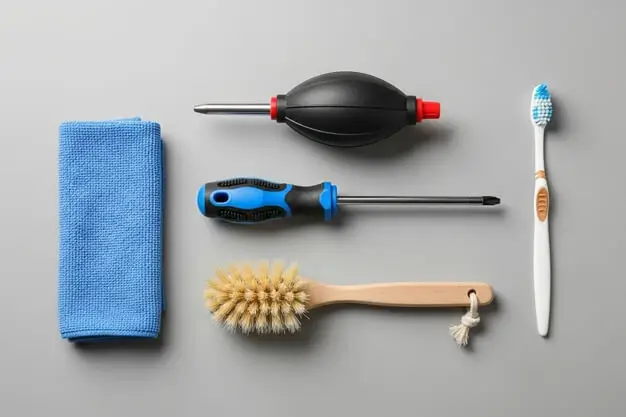
To follow the best way to clean a fan, you should have the right tools and equipment for the procedure. Here, you can take a look.
- Screwdriver (for removing grills or blade covers).
- Brush attachment on a vacuum cleaner.
- Microfiber cloth (for trapping dust without scratching).
- Soft brush or old toothbrush (for tight corners).
- Air blower (to blow dust from hard-to-reach areas).
Cleaning Materials
When cleaning fan blades, internal vents, and plastic parts, the materials you’ll use will have a significant impact. So, instead of getting the wrong materials, check out the ones below.
- Mild dish soap-and-water mixture.
- White vinegar(optional), used for cutting grease and odors.
- Clean towels for drying surfaces and parts.
Don't use bleach, ammonia, or abrasive cleaners, as these can discolor surfaces, weaken plastic parts, and ruin the finish of the fan motor components.
Safety Steps Before Cleaning Any Fan
Before any fan cleaning, make sure to follow a few essential safety measures to protect yourself from injury and the appliance from damage. Unplug the fan from the power source first.
Never rely on just switching the fan off, as residual electricity may still cause significant harm. Additionally, if it has been running recently, allow it to cool before touching the motor housing and any internal parts that may be warm during use.
Select a proper and safe working place. The fan should be placed on a flat surface that can adequately support it and allow parts to be moved around without falling or getting damaged. An old towel or sheet might help catch dust and aid in cleanup. Lastly, just keep in mind the use of water for cleaning.
Also Read - Looking for a move-in cleaning service for your home? Read our blog for details.
Step-by-Step: How to Clean a Fan Properly
Like any fan cleaning exercise, proper cleaning helps improve airflow, reducing the ability of dust and allergens to circulate freely in the house. Whether spring cleaning or on the spur of the moment to maintain the fan during heavy use, the fact is that learning the proper way for each type of fan guarantees safety and the desired results.
Outlined below are some easy cleaning instructions for the various types of fans without providing any potential for damage or injury.
How to Clean a Standing Fan (Deep Cleaning Method)
This method is for fans that are used very often or have other visible dust buildup.
- Unplug the fan and transport it to a well-ventilated area, preferably outside.
- To disassemble the fan, remove the front grilles by unfastening or unclipping them from one another, depending on the design.
- Continue carefully removing the blades from the inside of the fan while marking their positions for reassembly.
- Wash with warm water and a simple dish soap solution; a soft brush or sponge may be used to reach stubborn dirt.
- Rinse thoroughly, ensuring all soap residue is removed.
- Completely dry the fan, including blades, grills, and any other mechanical or semi-electrical components.
How to Clean a Standing Fan Without Taking It Apart
Ideal for upkeep between deep cleans.
- Before cleaning, unplug the fan.
- Using a vacuum cleaner fitted with the brush tool, dislodge any large dust particles stuck to the grille.
- Using an aerosol can of compressed air, blow out any dust trapped behind the grille.
- Dampen a microfiber or cleaning cloth with water and wipe the outside.
- Dry the fan with another clean cloth, then plug it back into the electrical outlet.
How to Clean a Table or Desk Fan
Minor dust collects quickly, requiring frequent cleaning. So, here’s the best way to clean a fan:
- Switch off the fan and unplug it.
- Remove the grille if possible; if not, clean through the gaps.
- Wipe the blades by using a dry microfiber cloth or a soft brush, focusing on tight areas.
- Clean the gaps between the blades with cotton swabs or a little brush.
- Use a dry or thoroughly wrung, slightly damp cloth for the base or casing.
How to Clean a Tower Fan
Due to the fan's internal components, extra care is required.
- Unplug the fan and place it on a level surface for maintenance.
- Vacuum the air vents with a narrow nozzle to remove surface dust.
- Use compressed air to blow dust out of the internal vents, working from the top down.
- Use a microfiber cloth to wipe the external surface.
- Keep it dry-nothing should get wet.
- Never pour or spray any liquid inside the fan.
Weekly Fan Maintenance for Dust Control
Weekly maintenance of fans is essential for dust control and to prevent the risk of health problems. Sudden coughing and sneezing are challenges you might face with an irregular fan-cleaning routine.
You can start by cleaning the exterior grille with a slightly moist or dry microfiber cloth. Surface dust should be cleared before it hardens and clogs airflow. If it is somewhat thicker, vacuum it with a brush attachment.
Next, clean out the fan blades with minimal disassembly. Turn the fan off and unplug it, then use a soft cloth, a handheld vacuum, or compressed air to remove dust from the visible blade areas. This way, it's easy to clean since dust cannot stick to the blades.
Pro Tips to Keep Your Fan Clean Longer
Maintaining the quality of fans after cleaning requires some tips to enhance their durability and prevent dust, allergens, and stains. The tips to clean a fan will help you avoid multiple hurdles simultaneously.
Here’s how you can keep the motor exhaust vents and fan blades clean.
- Wipe the blades weekly.
- Vacuum the grille regularly to remove standing fans.
- Close the windows during the dusty hours.
- Run the fan on slow speed if possible.
- Cover the standing fans when not in use.
Common Fan Cleaning Mistakes to Avoid
When cleaning fan blades and grills, you might make mistakes. It could damage your fans and even compromise their durability. Dust and debris retained in the fan will spread germs when you start it.
You might even need a deep cleaning service in NYC for your fans. But if you avoid the following mistakes when cleaning fan blades, you won’t run into any hurdles. So, let’s take a look.
- Cleaning the fan without unplugging it.
- Only wiping the outside.
- Using too much water.
- Skipping regular cleaning.
- Reassembling before the parts are dried.
How Proper Fan Cleaning Supports a Cleaner Home
If fan cleaning is not done routinely, it can affect your home's cleanliness and make it unhealthy. Dust settles in the fans and mixes with the air your family breathes. From the fan, dust is blown onto floors, furniture, and even freshly laundered clothes. Clean fans control airborne dust and help keep a house cleaner for longer.
The Clean Airflow Keeps Clothes Cleaner
Dirt and dust particles can settle on drying laundry, wardrobes, and storage areas when the fans are dirty. As a result, clothes sometimes feel dusty and smelly only shortly after washing.
Help Maintain the Freshness of Fabrics at Home
Dust in the air clings to curtains, upholstery, bed linens, and rugs, and makes them appear dull or musty even after cleaning. A well-maintained fan helps reduce dust circulating in your house, keeping fabrics fresher between washes and reducing the need for deep cleaning or dry cleaning.
Complementary to Laundry and Dry Cleaning
Dusty air can undo the best of laundry work or dry cleaning just a few days after clothes are returned from the cleaners. Clean fans work hand in hand with these services by minimizing airborne dust and dirt.
When to Call Professional Cleaning Services
When cleaning, the fan becomes a hurdle, and you’re not getting the desired result, even if you make time for cleaning. It’s an indication that you should look for a professional, such as Lazy Susans Cleaning.
We’ll offer modern cleaning techniques and a cost-effective pricing structure with multiple plans. This way, you can choose a plan suitable for their requirements. If you want more details, you can contact us anytime, and our customer service team will answer your questions.
FAQs - Clean a Fan
Is it safe to wash a fan with water?
Washing the fan directly with water is not a safe procedure due to the wiring and electrical equipment. Removable parts, such as blades and plastic parts, can be washed with a mild soap and water solution. As for the fan, clean it with a damp cloth or a soft brush to remove stains and dust.
Can a dirty fan affect my health?
Dirty fans do affect your health as they contain dust, pollens, and allergens that might get in your nose and lungs while breathing. Not only that, but it can also cause you to get skin diseases. So, make sure to clean your fan when it’s needed instead of leaving it.
What are some common mistakes when cleaning a fan?
People can get themselves into trouble when cleaning fans due to errors. For instance, using water and not unplugging the fans before cleaning them are some mistakes that could cause you more serious damage.
Enjoy Cleaner Air and Better Cooling Every Day
There you have it! A complete guide to clean a fan without causing damage or hurdles. Once you have gathered the necessary materials for fan cleaning, you can begin the procedure.
Furthermore, avoiding common mistakes like not unplugging the fan and using no water but a damp cloth is the best way to clean a fan. So, make sure that you avoid all the hazards during the cleaning procedure.