
Table Of Contents
Maintaining a healthy living environment starts with identifying common household germ hotspots. While many believe their homes are safe havens, harmful microscopic germs often linger on everyday surfaces. Studies have shown that kitchen sponges can host more bacteria than toilet seats. These germs can negatively impact health by causing respiratory issues, skin infections, and digestive problems.
Research from organizations like the NSF shows that certain areas of the home harbor coliform bacteria, including E. coli, indicating potential fecal contamination. Keeping these areas clean is vital for family wellness. This blog covers the main household germ hotspots and provides actionable cleaning tips to keep your space safe.
We will explore how to identify these zones and the best methods for germ cleaning. For more professional assistance, you can reach out to cleaning services such as Lazy Susans Cleaning.
Why Identifying Household Germ Hotspots Matters
Knowing where germs hide is the first step in effective germ cleaning. Most people clean for appearance rather than disinfection. However, household germ hotspots can often be invisible. Germs spread quickly through cross-contamination, for example, touching a dirty light switch and then preparing food.
In a typical home, bacteria can easily spread via hands, shopping bags, and shoes. Identifying these zones allows you to focus your energy where it matters most. Without this knowledge, you might spend hours scrubbing floorboards while leaving the bacteria-laden remote control untouched.
Health Risks of Household Germs
Ignoring household germ hotspots leads to several health issues:
- Foodborne illnesses: Kitchen bacteria like Salmonella and Listeria thrive on damp surfaces.
- Respiratory issues: Flu and cold germs survive on high-touch areas like doorknobs for hours.
- Allergic reactions: Pet-related germs, dander, and dust mites trigger asthma and skin infections.
How Germs Spread at Home
Germs move through your house in three main ways:
- Touching contaminated surfaces: Light switches and handles are prime transit points.
- Sharing personal items: Using the same hand towels or razors spreads skin bacteria.
- Pets and family members: Pets bring outdoor pathogens inside, while family members bring germs from school or work.
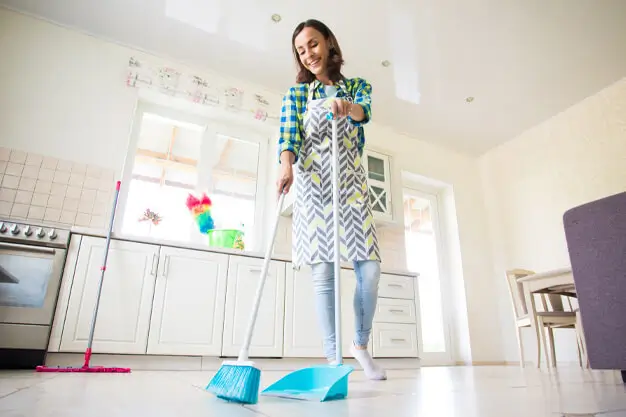
The Kitchen: Germs’ Favorite Spot
The kitchen is often one of the most contaminated rooms in the house. It is one of the largest sources of household germs due to food preparation and moisture. Raw meat carries pathogens that easily transfer to counters. Constant traffic and heat make it a breeding ground for mold and bacteria.
If you find this area overwhelming, hiring a kitchen cleaning specialist can help. Proper germ cleaning here prevents food poisoning and keeps your family safe.
How to Tackle Kitchen Germs
- Clean cutting boards with hot soapy water or a strong disinfectant after every use.
- Wipe countertops daily with antibacterial wipes to remove food residue.
- Replace sponges every week or sanitize them in the microwave while wet.
- Sanitize fridge handles and appliance buttons, as these are touched dozens of times daily.
The Bathroom: Not Just a Toilet Story
The bathroom is a major zone for household germ hotspots. High humidity and frequent use create a perfect environment for germs. While most people focus on the toilet, other areas like faucets and toothbrush holders are often filthier.
Damp towels and toothbrush holders provide moisture, which allows bacteria to grow. Using a regular cleaning service helps keep these germ-prone areas under control. Consistent bathroom cleaning prevents the buildup of dangerous mold and biofilm.
Effective Bathroom Cleaning Tips
- Use disinfectant sprays for high-touch surfaces like faucets and flush handles.
- Replace towels and washcloths every three days to avoid musty odors and bacterial buildup.
- Clean showerheads and drains regularly to prevent biofilm and the growth of Mycobacterium.
- Use antibacterial soap dispensers to reduce the spread of germs from bar soap.
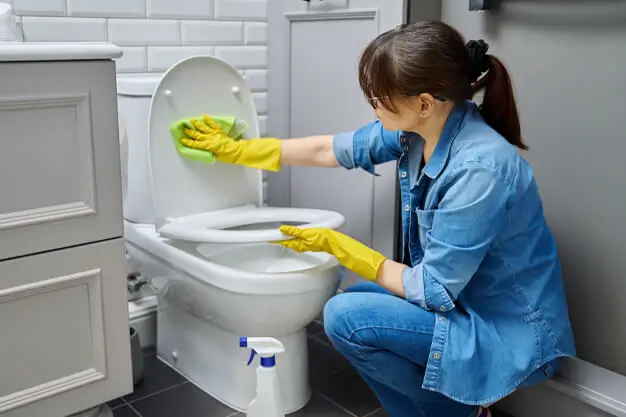
Living Room & Bedroom
Living spaces are common household germ hotspots because we spend so much time in these areas. High-touch furniture and electronics harbor skin cells and oils. Doorknobs and light switches are frequently neglected during daily cleaning. Soft surfaces like couches and bedsheets trap allergens and bacteria. Regular living room cleaning ensures these comfort zones remain hygienic.
How to Keep Living Areas Germ-Free
- Wash cushion covers and throw blankets regularly in hot water.
- Wipe down remote controls and tablet screens with alcohol-based cleaners.
- Vacuum carpets and upholstery using a HEPA filter to catch small particles.
- Encourage handwashing before family members sit on furniture after coming from outside.
Electronics: Hidden Bacteria Zones
Our gadgets are extensions of our hands, making them significant germ hotspots in the home. Phones, tablets, and keyboards are rarely cleaned but go everywhere with us. Studies show phones carry more bacteria than most bathroom surfaces.
These devices remain warm, creating an environment where bacteria can thrive. Consistent germ cleaning of your tech is essential for personal hygiene.
Tips for Cleaning Electronics Safely
- Use microfiber cloths with a 70% isopropyl alcohol solution for screens.
- Avoid spraying liquids directly on devices to prevent internal damage.
- Clean your phone daily and your keyboard weekly, depending on usage.
Pets and Germs: Furry Friends, Hidden Risks
Pets bring joy, but they also introduce specific household germ hotspots, such as their fur and feeding areas. Dogs and cats carry bacteria in their fur and paws. Their feeding bowls and toys become slimy with biofilm if left unwashed.
Litter boxes and pet beds are hubs for parasites and germs. Using household cleaning services can help manage the extra dander and messes pets leave behind.
Keeping Pet Areas Clean
- Wash pet bedding weekly in the hottest setting possible.
- Disinfect feeding bowls daily to prevent the growth of Serratia marcescens.
- Groom pets regularly to reduce dander and the bacteria they carry from outside.
- Clean litter boxes daily and perform a deep scrub every month.
Simple, Effective Cleaning Techniques for Germ Hotspots
To keep your home's deep cleaning effective, follow these rules. Always clean from top to bottom. This prevents dust and germs from falling on surfaces you already cleaned.
Use a "dwell time" approach. Leave disinfectants on the surface for several minutes before wiping. This ensures the chemicals actually kill the pathogens. Always use separate cloths for the kitchen and the bathroom to avoid cross-contamination.
Maintaining a Germ-Free Home: Routine Tips
A healthy home requires either a regular cleaning service or a strict personal cleaning schedule. Preventive habits stop germs from colonizing your space. Keeping your home germ-free with regular cleaning reduces the risk of seasonal illnesses.
- Wash hands regularly and teach children to wash for 20 seconds.
- Launder towels, bed linens, and clothes frequently using high heat.
- Keep cleaning supplies stocked and accessible so you can clean messes immediately.
- Schedule monthly professional house cleaning services for kitchens and bathrooms.
Lazy Susans Cleaning Services
If managing these household germ hotspots feels overwhelming, we are here to help. Lazy Susans Cleaning offers top-tier household cleaning services tailored to your needs. By choosing our house cleaning professional services, you gain peace of mind knowing that every nook and cranny in your home is sanitized.
We use professional tools and eco-friendly products that are safe for pets and children. Whether you need a regular cleaning service or a one-time scrub, we provide thorough results. Our experts focus on the areas you might miss.
Our team understands that every home has unique hygiene needs. By choosing our house cleaning professional services, you gain peace of mind knowing that every nook and cranny is sanitized. We don't just surface clean; we target the deep-seated bacteria in household germ hotspots that standard wiping often misses.
From scrubbing tile grout to disinfecting high-traffic door handles, we bring a level of detail that only a cleaning professional services provider can deliver. Let us handle the heavy lifting so you can enjoy a pristine, healthy environment without the stress of doing it all yourself.
FAQs - Household Germ Hotspots
What is the germiest place in your house?
The kitchen sponge is widely considered the germiest item in the kitchen. In terms of surfaces, the kitchen sink and bathroom faucet handles are top contenders for the title of worst household germ hotspots.
What are the bacteria commonly found at home?
Common household bacteria include Staphylococcus aureus, E. coli, and Salmonella. You may also find mold spores and yeast in damp areas, such as bathrooms or near kitchen drains.
Which part of the house takes the longest to clean?
The kitchen usually takes the longest. This is due to the grease buildup, the number of appliances, and the need for food-safe disinfection. It requires a detailed, deep home cleaning approach to ensure safety.
Conclusion: Stay Ahead of Household Germs
Understanding and tackling Common household germ hotspots is vital for a healthy lifestyle. Germs are a natural part of life, but they should not take over your living space. By focusing on the kitchen, bathroom, and high-touch electronics, you break the cycle of infection. Consistent habits and the use of household cleaning services make a massive difference.
Remember to disinfect regularly and wash your hands often. If you find it hard to keep up, house cleaning professional services provide the deep sanitization your home deserves. Take control of your environment today. Addressing these household germ hotspots keeps your family happy, healthy, and safe from unnecessary illness.